Bat Friendly Gardens

By Mychal on May 14 2013 | 0 Comments

Bats are a fascinating and diverse group of species, it is important that we protect them and try do our own little bit to help them survive the damage we have caused to their natural habitats. We spoke to Professor John Altringham, a leading bat expert at the University of Leeds to ask him some questions about the current situation with bats and advice on how we can do our own bit to help:

“We should protect bats for no reason other than the fact we should. They are fascinating creatures whose pure intrigue makes them worth protecting and have every right to live without even considering any of the other advantage they provide.”

Bats make up a part of several ecosystems and the knock on consequences of the removal of bats could be disastrous to biodiversity. In addition to this bats even provide economic advantages; a 2011 study gave an estimate of bats contribution to the US economy through pest control of $23 billion a year.

The largest factor effecting bats at the moment are those caused by humans. “Destruction, degradation and fragmentation of their habitat are the main pressures acting on bats. We are constantly chipping away at them, reducing the area and quality of habitat available to them.” As a result of the damage we have caused some species of UK bats are down to only a few % of the population that existed a hundred years ago.

It is often thought that individuals can’t have much of an impact on issues spanning such wide areas however studies have proven that a diverse urban or sub-urban habitat can have great beneficial implications on helping maintain biodiversity and conservation of species. So, how can you do your bit to help?

Make your garden a haven for insects

To help bats you need to provide them with food, by attracting a range of insects to your garden, not only will you help increase the biodiversity of your garden, it will provide a range of potential food for bats.

  •  Use a range of plants including night scented species to attract night flying insects.

Evening Primrose:

Evening Primrose photo Evening20Primrose20Oil_zps31a0d7db.jpg

Image source: http://www.aromaoilstore.com/files/product/small/Evening%20Primrose%20Oil.jpg

Jasmine:

Jasmine photo jasmine_zpscac68769.jpg

Image source: http://www.behindthename.com/imagebank/images/jasmine.jpg

Honeysuckle:

 photo 19d23da9-368e-4fc4-94f2-379f8b27443d_zps1e3dcf8d.jpg

Image source: http://www.flickr.com/photos/lesioc/3602897541/

·         A water feature or pond is also great for encouraging insects to settle in your garden as many insect species require pools of water to lay eggs in. Do not have fish in the pond though, these will eat any insect larvae and defeat the purpose of having the pond.

·         Don’t use pesticides, this may seem obvious but they reduce the available prey for bats and some pesticides can harm bats if they eat insects that are affected by the pesticides.

Keep it dark

Bats are primarily nocturnal, so use light in a sensitive way. Try to keep light levels low and not pointed at areas the bats are likely to use. Obviously you will need a bit of light to be able to enjoy the garden yourself but try to make it a compromise between you and the bats.

Bat boxes

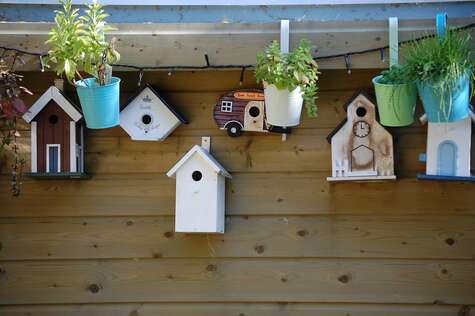
In urban areas bat boxes are very difficult to get to work. The bats have plenty of options for places to roost in the surrounding buildings. If there aren’t a many buildings around to act as roosts then the best option to try is a large multi-chambered bat house that is positioned as high up as possible.

If you incorporate these features to your garden the most likely bats you would attract in urban areas would be the common and soprano pipistrelles. These are the smallest bats found in the UK weighing somewhere between 3.5 to 8.5 grams. Even though they are tiny bats they can eat up to 3,000 insects each in a single night. They fly very erratically close to buildings and trees.

In more fringe urban and suburban areas you may find other bat species like brown long-eared bats, natterer’s bats, noctule and Daubenton’s bats. Potentially others of the 18 resident British bat species could visit your garden but these are the most likely.

So let’s get gardening and doing our part to help with bat conservation. Let us know how your attempts at making a bat friendly garden go!

Sources

http://www.bats.org.uk/index.php

Boyles, J. G. et al. (2011) Economic Importance of Bats in Agriculture, Science, Vol 332, Pages 41-42.                                 


Post info

An Introduction to Bees

By Danielle on Jun 26 2012 | 0 Comments


As a nation of garden lovers, we take pride in the appearance of our outside spaces. Whether we have a couple of hanging baskets outside our front door, or rows and rows of perfect flowerbeds, we like to keep our gardens smart. But our gardens are not just there to be aesthetically pleasing – they are essential habitats for many creatures. One creature in particular is the bee. The first sight of bees in the garden buzzing from flower to flower always heralds the start of spring. But unfortunately, the populations of bumblebees and honey bees are declining rapidly, not just in the UK but globally. Bees are extremely important and not just for our gardens but to our nation’s food supplies. Bees pollinate a third of the food we eat[1], so their declining populations should be a worry to everyone. With this in mind, it’s a good idea to learn more about our buzzing friends, and find out how we can help them flourish - even if you don’t have a green thumb.

Bumblebees

There are around 24 different species of bumblebees in the UK[2] and they are essential to the pollination of our plants and crops. They live in colonies, and there are three different types of bees: the queen bees, worker bees and drones. Queen bees and worker bees are female, and drones are male. Many of the bumblebee species are furry with black and yellow stripes – the typical size and colouring most people envision when they think of a bee. However they can have orange or red stripes too. Contrary to what most people think, bumblebees can sting more than once – they can get aggressive if they think an invader is coming near their nest. If you suspect a nest is on your property, definitely get in touch with a pest control professional to deal with the problem. However, unless they are defending their territory bumblebees are usually very passive.    

Honey bees

Honeybees also live in colonies, and have the three main roles: queens, workers, and drones. They are unique in that they can survive during the cold winter months because they can live off the honey they produce. Unlike bumblebees they can only sting once. Even with the efforts of beekeepers, the honey bee population is still declining which not only has an effect on the pollination of crops, but is also contributing to the production of counterfeit honey. New research by the University of Sheffield has discovered that it’s extremely likely that a parasitic mite has been causing the population levels of honey bees to plummet.[3]

What we can do to help

There are many simple things we can do to help, starting with our gardens. There are different types of flowers and plants that are “bee-friendly” and will encourage them to thrive. From lavender and bluebells to thyme and wild basil, these types of plants will enable bees to flourish and also help them pollinate your garden. You could even have a “wildlife garden” which is where you create a habitat that would occur naturally in the countryside, for example a wildflower meadow. These types of areas will attract lots of bees, and will also be an attractive feature in your garden. Pesticides and insecticides are more common in agricultural farming, however it’s definitely best to avoid using these for your home gardens as they are extremely toxic to bees. If you wanted to go one step further, you could even have your own bee house. There are lots of local bee-keeping associations who can help advise you further on cultivating a bee-friendly garden. These ideas will not only help the bee population to thrive, but will also help your garden.


Post info

Categories: Garden , Summer